European Research Council funding logo

Investigative interviewing, studied across law, psychology, neuroscience and technology

JUSTICE (Joining Unique Strategies Together for Interrogative Coercion Elimination) is a six-year ERC Synergy project funded with more than €10 million.

It addresses a major challenge in justice systems worldwide: the continued use of coercive and abusive interrogation practices.

By integrating psychology, neuroscience, criminal law, policing research and computational methods, the consortium aims to set a new global benchmark for eradicating coercive and abusive interviewing practices.

Newsletter

Get quarterly updates from the JUSTICE consortium

Subscribe for project news, publications, and recruitment updates

News

Latest project updates

May 2026

Launch event at De Montfort University

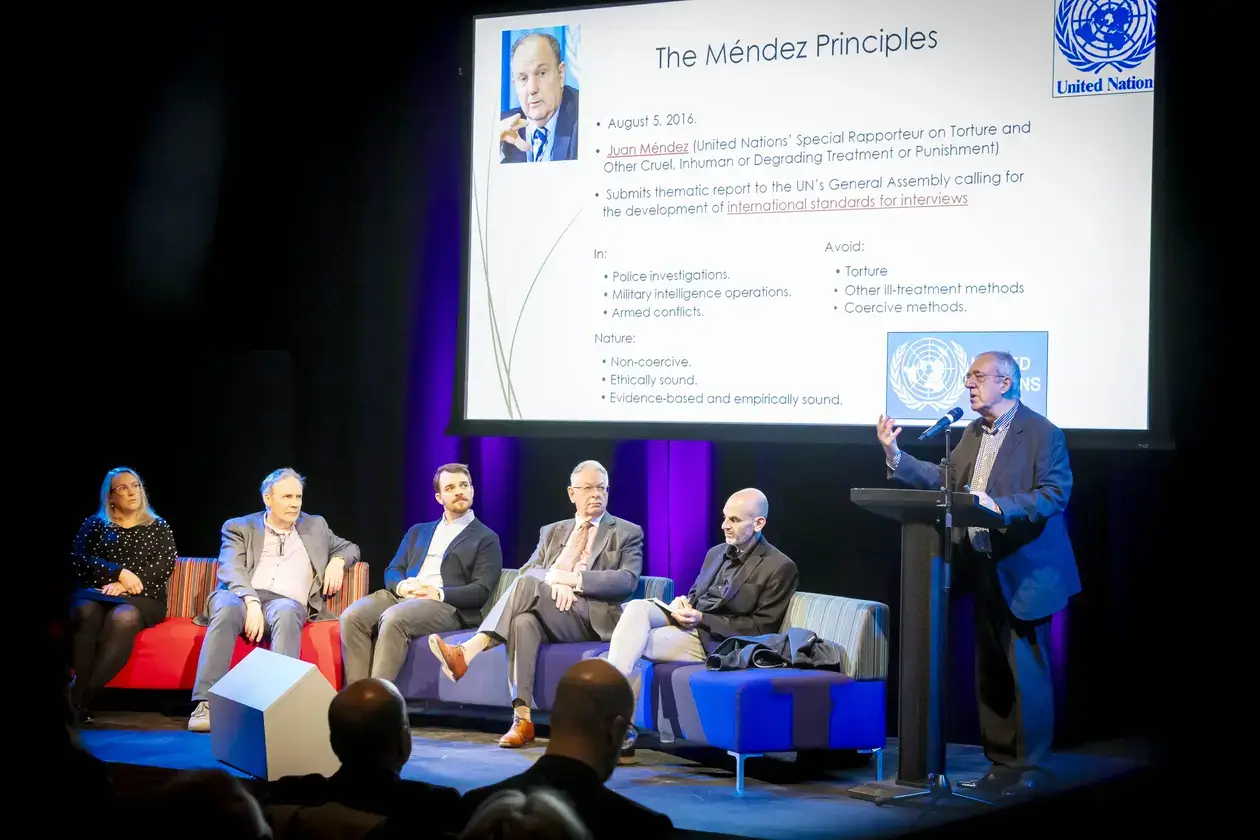
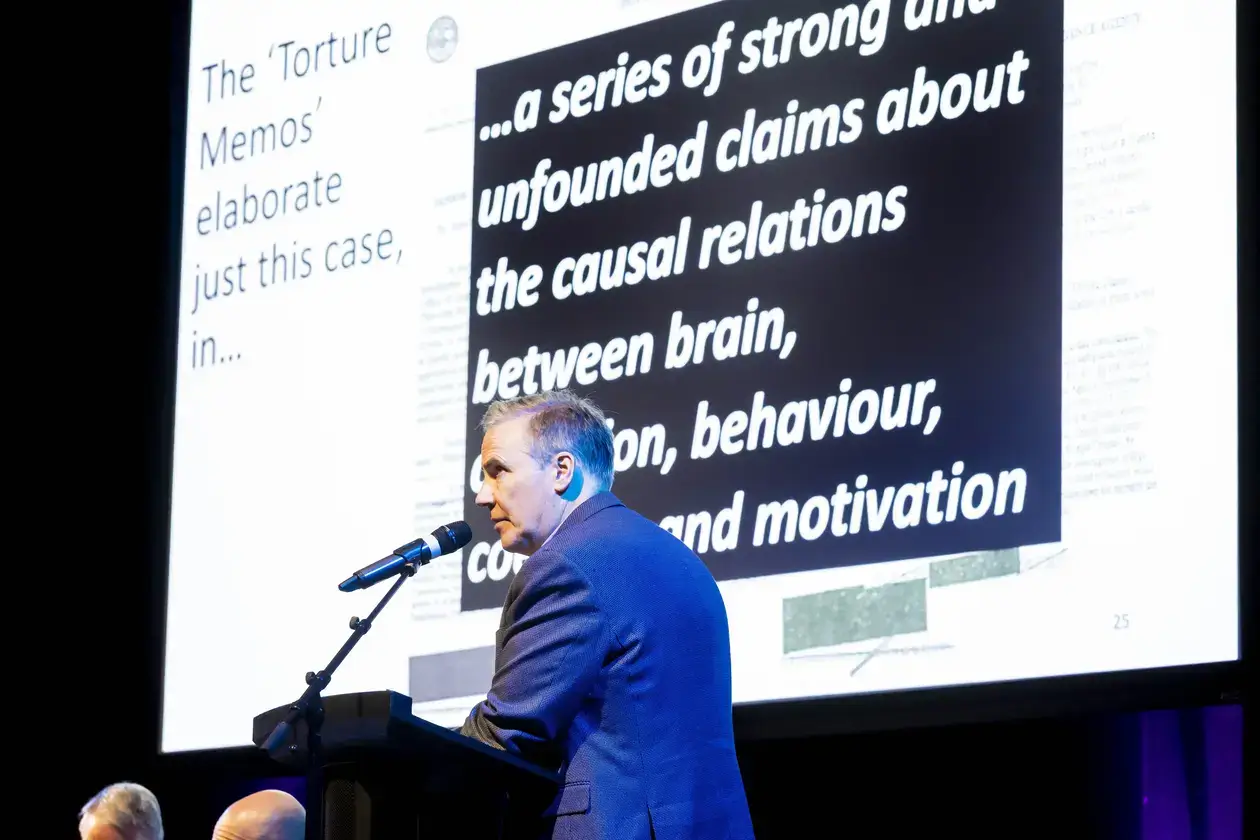
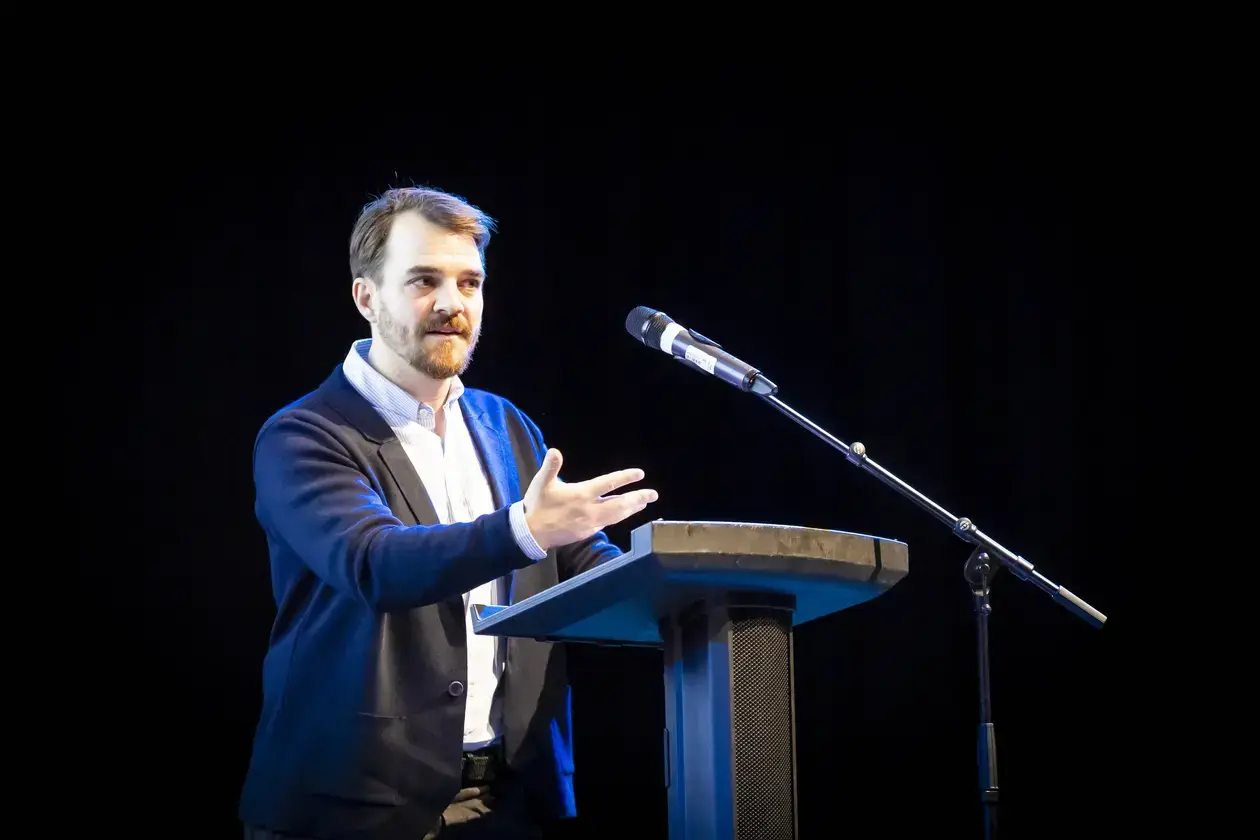
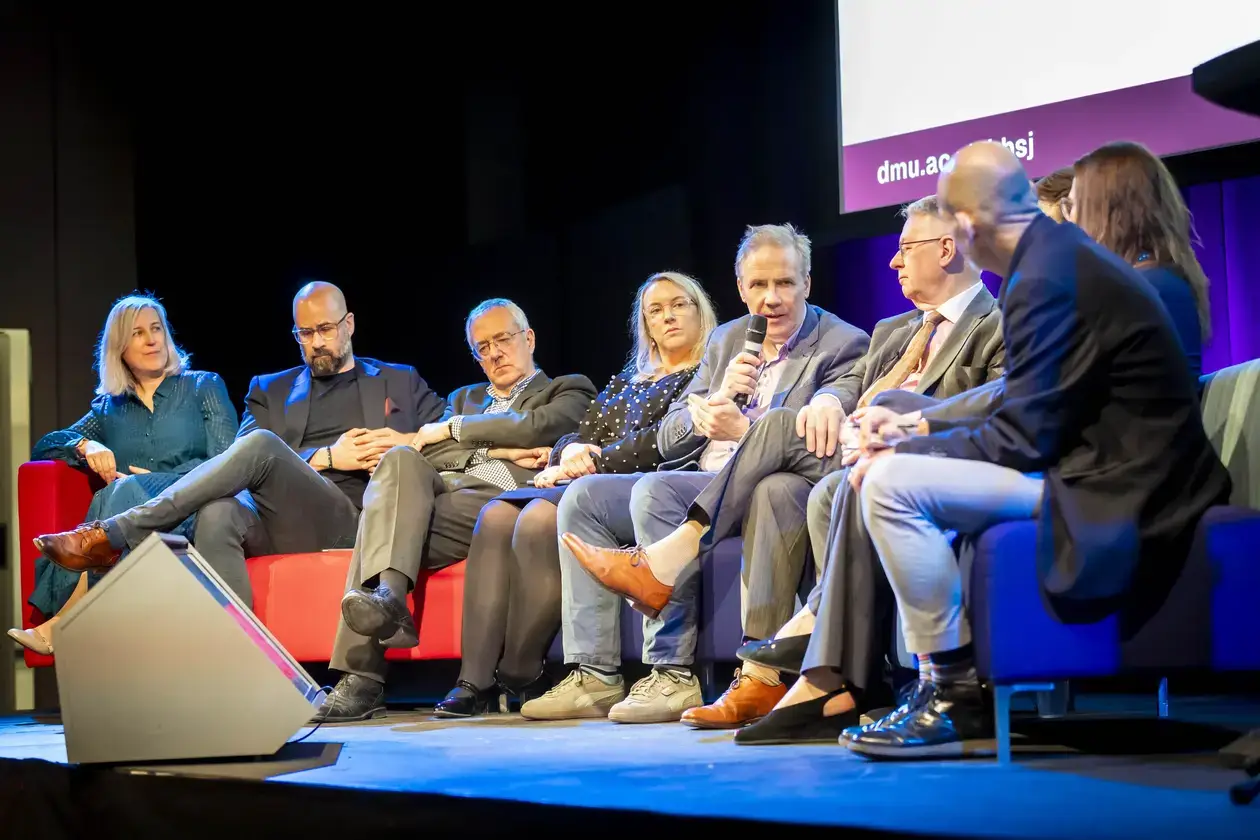
The launch event took place at De Montfort University, Leicester, UK, on May 20, 2026.

Guests at the JUSTICE project launch event at De Montfort University Launch event discussion at De Montfort University JUSTICE project partners at the De Montfort University launch event Attendees networking during the JUSTICE launch event Presentation during the JUSTICE project launch event Panel at the JUSTICE project launch event at De Montfort University

Image credit: Jason Senior / Redpix Photography

June 2026

Official launch of the JUSTICE Project

The 1st of June marks the formal start date of the project.

More news

About the project

Challenge

Why does coercion persist?

Despite decades of reform efforts, coercive and abusive interviewing practices remain common across many jurisdictions worldwide. JUSTICE investigates why people and institutions continue to rely on practices that are ineffective, harmful, and incompatible with human rights standards.

How do systems enable or prevent abuse?

Many countries formally recognise legal safeguards, yet these protections are not always implemented effectively in practice. JUSTICE examines how policies, policing cultures, legal systems, and institutional structures either support or undermine ethical interviewing approaches.

What works instead?

Replacing coercive interviewing requires practical alternatives that are both effective and human rights-compliant. JUSTICE develops new tools, training approaches, and AI-supported interviewing systems – including the "Méndez LLM" – to help move investigative interviewing toward evidence-based and humane practices.

Read more

JUSTICE (Joining Unique Strategies Together for Interrogative Coercion Elimination) is a six-year ERC Synergy project examining why coercive and abusive interviewing practices continue to persist worldwide — and how they can be replaced with ethical, effective, and evidence-based alternatives. The project brings together expertise from law, policing studies, psychology, neuroscience, data science, and artificial intelligence to investigate how both people and systems contribute to coercive practices, and how meaningful change can be achieved. JUSTICE is grounded in the Méndez Principles on Effective Interviewing for Investigations and Information Gathering, a UN-supported framework promoting non-coercive, human rights-compliant interviewing. Through international research, large-scale comparative studies, experimental methods, and innovative AI tools, JUSTICE aims to establish the global benchmark for ethical investigative interviewing.

4 Major Research Questions

Research Questions-driven
structure of JUSTICE

MRQ1: Policy, practice, and law

How do policies, practice, and law enable or prevent, coercive and abusive practices by people and systems?

Read more

In this MRQ we will develop and deploy an instrument which measures compliance with the Méndez Principles within individual jurisdictions. We will gather information from around the globe to create an open access interactive online map of Méndez compliance. In doing so we will examine systems and people, statute law, law in action, and the potential need for local adaptations.

A second study will involve a closer look at law and practice in certain jurisdictions, examining police methods and procedural safeguards. This will be an empirical study, engaging with serving and retired police officers, public prosecutors (where relevant), lawyers, and academic experts to gain insights into the justifications for the interview and interrogation techniques in use and the extent of any existing safeguards.

Later in the project life-cycle we will undertake Action Studies in a smaller number of jurisdictions, observing decision-making, planning and interviewing strategies and techniques in the context of simulated, but naturalistic, mock investigations. We will review these Studies in conjunction with police supervisors and legal experts across jurisdictions, providing an opportunity for cross-jurisdictional sharing of expertise, experience, and reflection on the application of the Méndez Principles.

The final aspect of this MRQ is engagement with policy-makers internationally, to explore existing knowledge and application of the Méndez Principles and to chart a way forward in terms of enhanced compliance, where possible.

MRQ 1 aims to provide an understanding of the conditions required for Méndez compliance and the basis for a ‘Roadmap to Méndez’ to guide states, systems, and people away from coercive and abusive practices. The studies within MRQ1 will provide clarity on the state of police interviewing, and suspect safeguards, worldwide and increase a sense of momentum for the implementation of the Méndez Principles.


MRQ2: Why People Resort to Coercion

Why do people and systems resort to, or reject, coercive and abusive practices?

Read more

MRQ2 examines the underlying mechanisms that drive individuals and systems to either adopt or resist coercive and abusive interviewing practices. We will investigate the neural, psychological, and social processes that shape decision-making in high-stakes investigative contexts. Through a series of experimental studies, participants will engage with realistic scenarios to explore factors such as silence under pressure, diffusion of responsibility, the influence of social norms and authority, and trust in coerced information.

Using behavioural experiments, group-based tasks, and advanced neuroimaging methods (including fNIRS hyperscanning), we will capture how individuals think, decide, and interact in these contexts. By integrating behavioural, neural, and narrative data, we will develop a comprehensive understanding of how coercive practices are justified, normalised, or resisted in real-world settings.

MRQ2 aims to uncover the core mechanisms that sustain coercive practices across individuals and systems, providing a critical foundation for designing interventions that promote ethical, human rights-compliant decision-making.

MRQ3: The human impact of coercion

What impact do coercive and abusive interviews have on people in the short and long term?

Read more

MRQ3 explores the impact of coercion on people who are subjected to it. Two studies will approach this issue from different perspectives.

This first will look at the short-term impact of coercive and abusive interview practices. We will conduct experiments to examine the impact of seeing someone else experiencing stress: does this linger in the mind of witnesses and affect or direct the course of their cognition?

Secondly, we will explore the longer-term impact of coercive and abusive interview practices on those subjected to them. We will carry out semi-structured, qualitative interviews with 20 people across various jurisdictions who have been the subjects of coercive interviewing. Researching the impact on their psychological wellbeing will give voice to the lived experience of interviewees in investigative settings and allow us to develop a typology of individualised responses to coercive and abusive interview practices.

New knowledge on the long-term lived experience and short-term consequences of coercive and abusive interviewing techniques will be discovered under MRQ3.

MRQ4: Building alternatives

What strategies effectively move people and systems towards human rights compliance?

Read more

MRQ4 focuses on developing and testing innovative, evidence-based strategies to promote human rights-compliant investigative interviewing. Central to this effort is the creation of a novel “Méndez LLM” — a large language model specifically designed to support ethical, non-coercive interviewing in line with the Méndez Principles.

We will train and validate this system relying on two key computational methods to identify effective interviewing strategies and refine it through large-scale interactions with both models and human participants. We incorporate reinforcement learning, generative language models and adaptive model optimisation, addressing a fundamental scientific challenge: how can highly flexible generative models be aligned with explicit ethical constraints in complex conversational settings? Answering this question will enable continuous learning and optimisation of interviewing approaches strictly within ethical constraints. Subsequent behavioural experiments will evaluate how such tools can be integrated into real-world investigative practice, exploring hybrid intelligence approaches where human and computational intelligence are meaningfully combined.

MRQ4 aims to deliver practical tools and actionable strategies that can transform investigative interviewing worldwide, establishing a new standard for ethical, evidence-based practice and accelerating the global adoption of the Méndez Principles.

Research methods

Methodological framework

JUSTICE combines global comparative research, behavioural science, neuroscience, and artificial intelligence to understand and transform investigative interviewing practices.

Surveys and questionnaires

Behavioural experiments

Mock investigative scenarios

Qualitative interviews

Natural language processing

Machine learning and reinforcement learning

fNIRS hyperscanning

JUSTICE uses functional near-infrared spectroscopy (fNIRS) hyperscanning to examine how people make decisions about coercive and abusive practices in group settings. By measuring neural activity across interacting participants simultaneously, the project investigates the cognitive, emotional, and social mechanisms underlying compliance, resistance, responsibility, and decision-making during investigative scenarios.

Méndez-informed language modelling

JUSTICE develops the "Méndez LLM", a large language model designed to support ethical, evidence-based, and human rights-compliant investigative interviewing. The system is trained to identify interviewing strategies that align with the Méndez Principles while promoting effective information gathering through reinforcement learning and human feedback.

Global compliance mapping

JUSTICE will create the first open-access international map of compliance with the Méndez Principles. Drawing on data from jurisdictions worldwide, the project develops a Méndez Compliance Scale to identify patterns, safeguards, barriers, and pathways toward human rights-compliant investigative interviewing practices.

Real-World Simulations

The project uses immersive investigative simulations based on realistic criminal investigations to study interviewing practices, legal safeguards, and decision-making under pressure. Investigators, lawyers, witnesses, victims, and suspects participate in dynamic scenarios designed to capture the complexity of real-world investigative environments.

Open Science & Global Collaboration

JUSTICE combines interdisciplinary expertise across law, psychology, neuroscience, policing studies, and artificial intelligence with a large international network of researchers, practitioners, and policymakers. The project is strictly committed to open science through transparent methods, preregistration, open resources, open access publications, and international knowledge exchange.

Expected outputs

Outputs

JUSTICE will generate new scientific knowledge, practical tools, and global resources to support ethical, evidence-based investigative interviewing. The project combines research, policy engagement, and technological innovation to help reduce coercive and abusive practices worldwide.

Global Méndez Compliance Map

JUSTICE will create the first open-access international map of compliance with the Méndez Principles across jurisdictions worldwide, providing a global benchmark for investigative interviewing practice and legal safeguards.

The Méndez Compliance Scale

The project will develop a validated research instrument for assessing how policies, practices, and legal systems align with human rights-compliant interviewing standards.

International Comparative Evidence

JUSTICE will produce one of the largest comparative research programmes on investigative interviewing, drawing on data from jurisdictions, policymakers, police professionals, legal experts, and affected individuals worldwide.

New Insights into Decision-Making and Coercion

Using behavioural science, neuroscience, and computational methods, the project will generate new evidence on why people and systems adopt or reject coercive practices.

The Méndez LLM

JUSTICE will develop the first generative language model specifically designed to support ethical, evidence-based, effective and human rights-compliant investigative interviewing. The model will be open, transparent, and EU-based.

A Roadmap for Change

The project aims to provide practical guidance, training insights, and evidence-based strategies to help policymakers, institutions, and practitioners move away from coercive interviewing practices and towards humane, information-gathering approaches.

Publications

Publications coming soon

Our publication list is currently in preparation. Please subscribe to our newsletter for updates.

Subscribe

Videos & press statements

Press & Media

Video · May 2026

Launch event at De Montfort University

Highlights and talks from the official launch event of the JUSTICE project at De Montfort University, Leicester, UK, on May 20, 2026.

Consortium principal investigators

Team

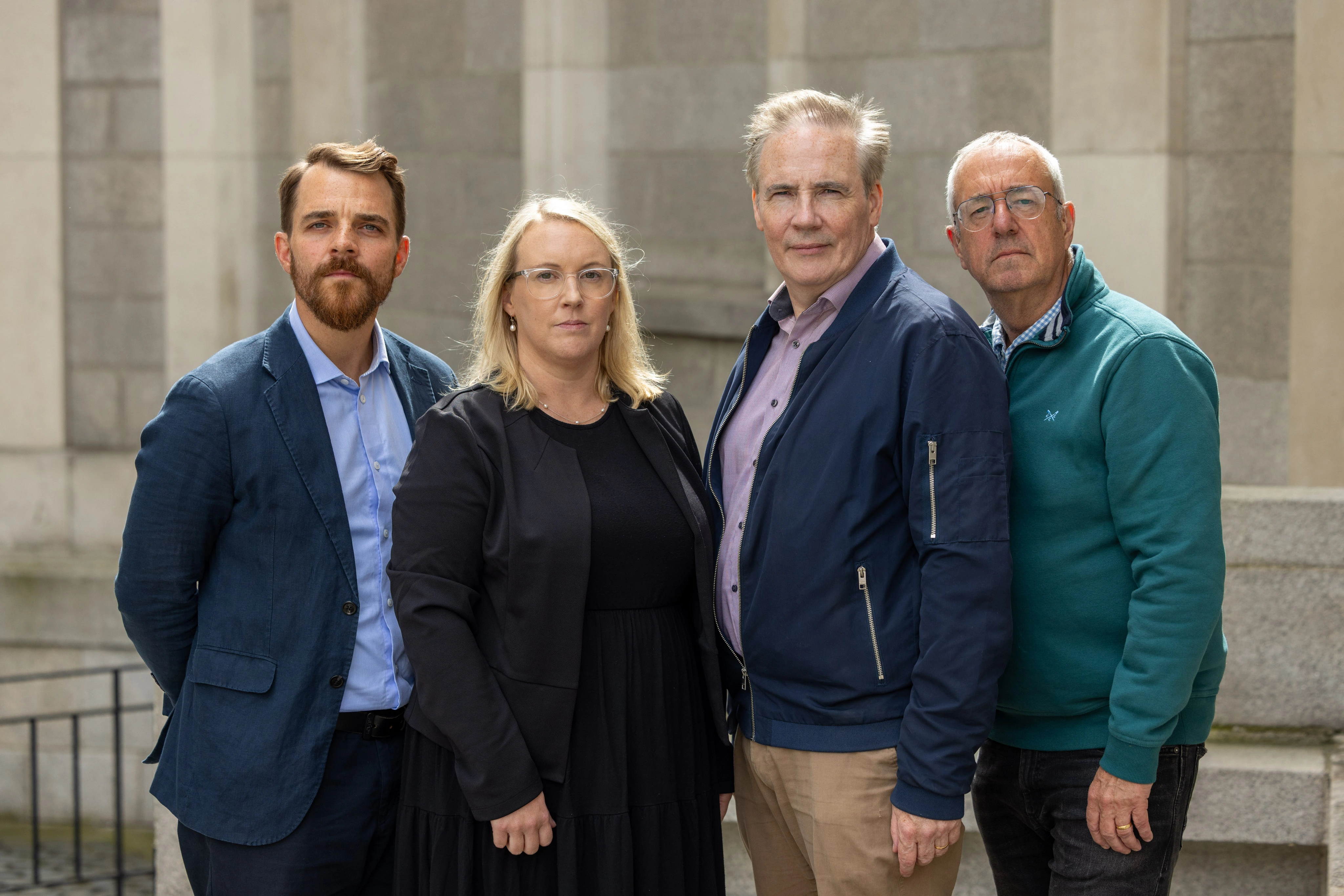
The project is led by four principal investigators: Yvonne Daly (Dublin City University), Bennett Kleinberg (Tilburg University), Shane O'Mara (Trinity College Dublin), and Dave Walsh (De Montfort University)

JUSTICE consortium whole team photo
Portrait of Yvonne Daly

Yvonne Daly

🇮🇪 Dublin City University

Yvonne Daly is Professor of Criminal Law and Evidence in the School of Law and Government at Dublin City University (Ireland), where she teaches and supervises research in evidence law, criminal procedure, and criminal law. She holds a law degree from University College Cork and a PhD in law from Trinity College Dublin. Yvonne’s research focuses on the legal regulation of criminal investigations. She engages in detailed doctrinal and comparative work across European and international jurisdictions, and empirical research which explores the law in action, as compared with the theory. Her research has been published widely and underpinned her EU-funded work in developing training for police station lawyers (within the SUPRALAT programme). Yvonne is co-author of Evidence in Criminal Trials 3rd Edition (Bloomsbury Professional, 2025), Criminal Defence Representation at Garda Stations (Bloomsbury Professional, 2023), and Irish Criminal Justice: Theory, Process and Procedure (Clarus Press, 2010). She is a co-editor of Teaching Evidence Law: Contemporary Trends and Innovations (Routledge, 2020) and the Routledge Handbook of Irish Criminology (Routledge, 2016), and editor of Police Custody in Ireland (Routledge, 2024).

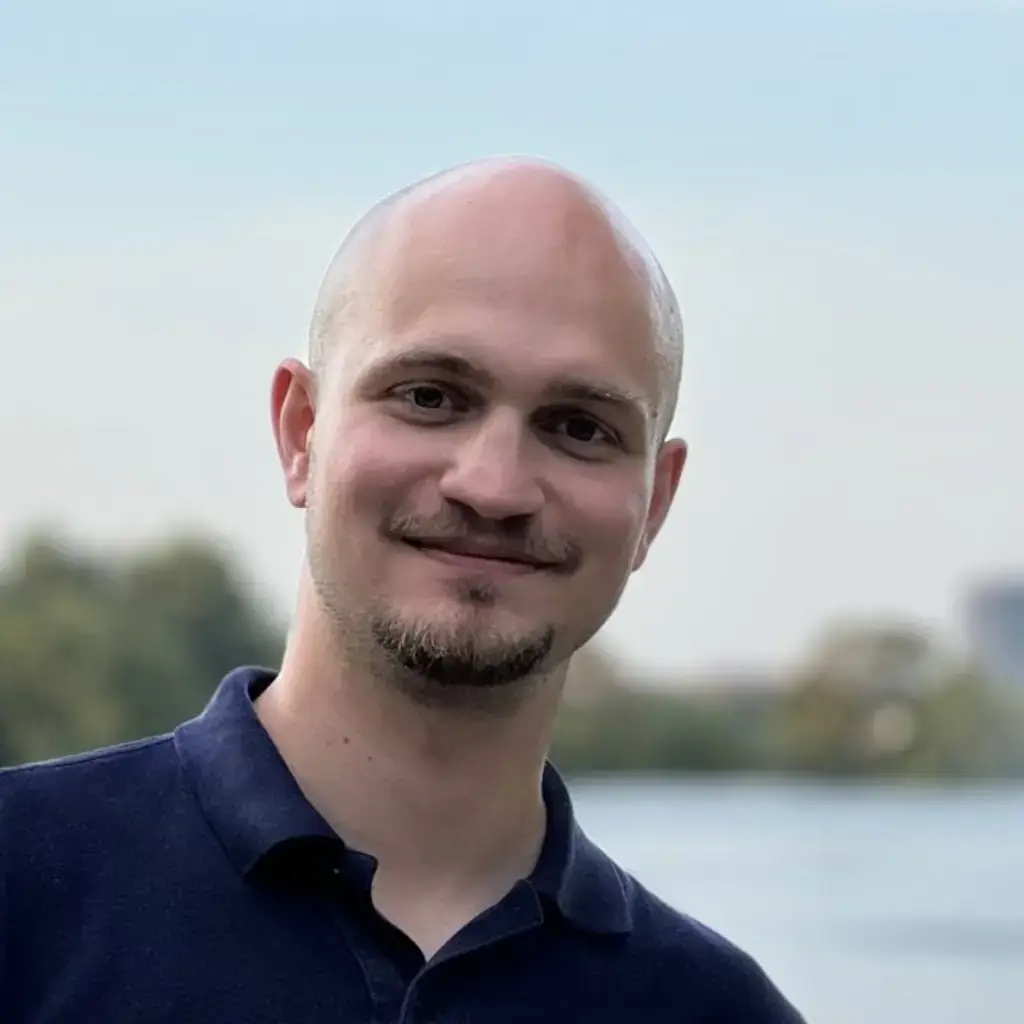
Portrait of Bennett Kleinberg

Bennett Kleinberg

🇳🇱 Tilburg University

Bennett Kleinberg is Professor of Computational Methods for Psychological Research at Tilburg University (The Netherlands) and University College London (UK). His research integrates psychological science and computational methods to study human behaviour. With his Computational Psychology and Computational Methods Lab, he investigates how computational approaches can advance our understanding of the human mind and, conversely, how psychological methods can inform computational model behaviour. His work spans deception detection, human resilience, and machine behaviour, combining experimental methods with natural language processing, (adversarial) machine learning, and statistical modelling. Within the JUSTICE project, he focuses on developing advanced data-driven approaches, including natural language processing, machine learning, and generative language models, to study and support ethical investigative interviewing. He is an active contributor to the open science community.

Portrait of Shane O’Mara

Shane O’Mara

🇮🇪 Trinity College Dublin

Shane O’Mara is Professor of Experimental Brain Research at Trinity College Dublin (Ireland). His work explores how the brain supports memory, decision-making, and behaviour, particularly under conditions of stress and uncertainty. Within the JUSTICE project, he investigates the neural, psychological, and social mechanisms that underpin coercive and non-coercive decision-making in investigative contexts. Drawing on decades of research in brain and cognitive science, his work connects fundamental neuroscience with pressing societal challenges, including the use and impact of coercive interrogation practices. He is internationally recognised for his research on the neuroscience of torture and interrogation, including his landmark book Why Torture Doesn’t Work. His work has informed global policy debates and has been cited in legal contexts and United Nations reports on torture and human rights.

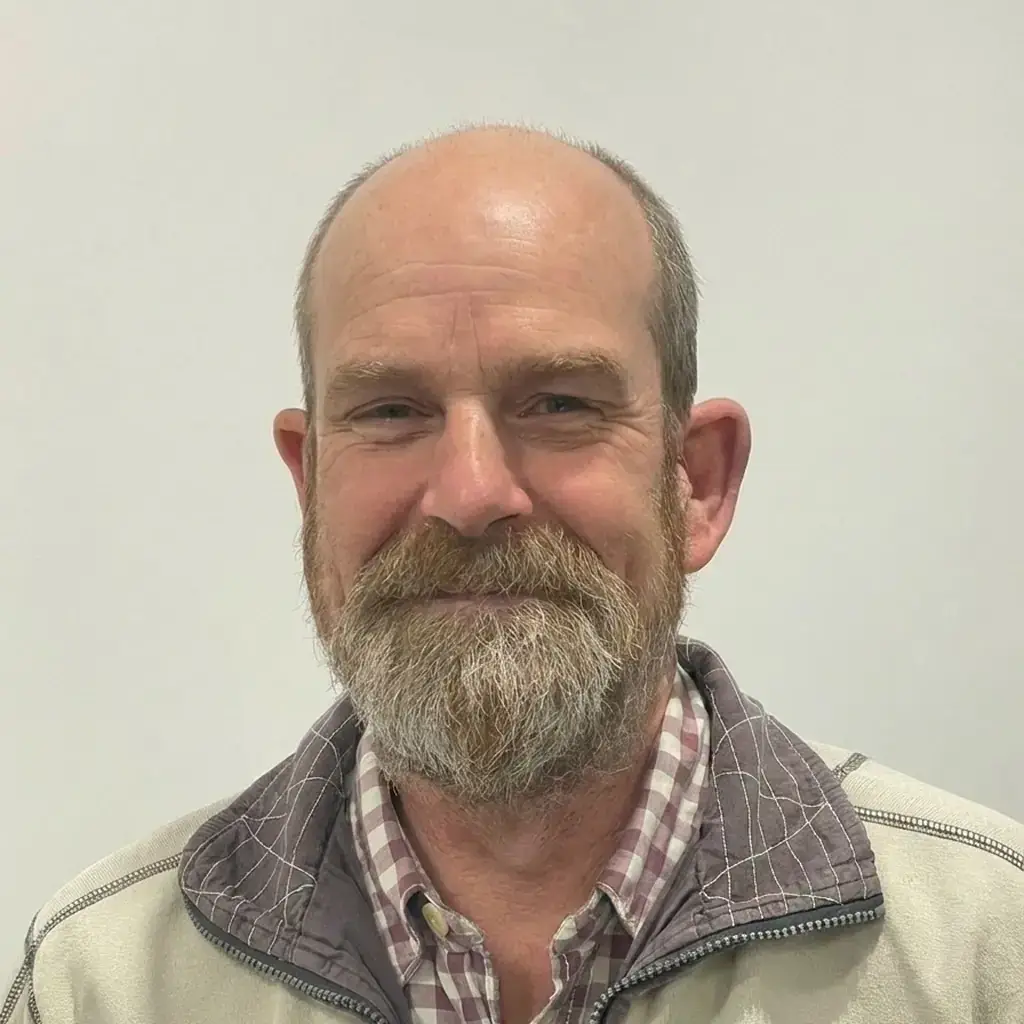
Portrait of Dave Walsh

Dave Walsh

🇬🇧 De Montfort University

Dave Walsh is Professor of Criminal Investigation at the De Montfort University Law School, Leicester (UK). A former investigations practitioner of over 20 years, he changed careers in 2006 to that of academia. His PhD in 2009 concerned an applied examination of the interviewing of fraud suspects. He is the current Chair of the COST Action CA22128 ImpleMendez. He has published extensively about the topic of investigative interviewing including being lead editor on the Routledge International Handbook of Investigative Interviewing (2025 - along with co-editors Ray Bull and Igor Areh).

🇮🇪 Dublin City University

Portrait of Gearóidín McEvoy

Gearóidín McEvoy

Postdoctoral Researcher

Gearóidín McEvoy is a Postdoctoral Researcher at the School of Law and Government at Dublin City University (Ireland) under the JUSTICE project. Gearóidín pursued an undergraduate degree in Law and Irish at University College Cork, in Cork, Ireland, a Master’s in International Human Rights Law from Åbo Akademi University in Turku, Finland, and a PhD in law from Dublin City University. She has a background in legal translation and minority language rights, but Gearóidín’s research interests also cover human rights law, the right to a fair trial, policing, criminal law, and Deaf legal studies. In 2021 she was awarded a Marie Skłodowska-Curie Individual Fellowship and she completed research at the University of Birmingham on the Legal Recognition of Signed Languages in Ireland, Finland and across the United Kingdom. She is the author of Access to Justice for Minority Language Communities: experiences of Irish Speakers and Irish Sign Language Users (Multilingual Matters, 2026).

Portrait of Benedetta Arrighini

Benedetta Arrighini

Postdoctoral Researcher

Benedetta Arrighini is a qualified Italian lawyer and early-career researcher specialising in EU criminal law, transnational criminal cooperation, and fundamental rights. She has joined Dublin City University (DCU) as a Postdoctoral Researcher on the JUSTICE Project, focusing on investigative interviewing and fair trial rights. Benedetta Arrighini holds a joint doctorate in International and European Law from ULB Brussels, FGV Rio de Janeiro, and LUISS Rome (Marie Skłodowska-Curie Action Fellow), and an LLM from the College of Europe. She holds a Master’s in Law from the University of Trento. Her research interests include international and European criminal law, transitional justice and criminal justice mechanisms, with a strong focus on protecting the rights of suspects and the accused.

🇳🇱 Tilburg University

Portrait of Riccardo Loconte

Riccardo Loconte

Postdoctoral Researcher

Riccardo Loconte works as a Postdoctoral Researcher at the Department of Methodology and Statistics at Tilburg University. His research spans computational methods, psychology and neuroscience. Within JUSTICE, Riccardo works on MRQ4, where the team develop computational approaches for investigative interviewing and experimentally evaluate these in human-computer interaction tasks. He obtained his PhD in a joint PhD programme at IMT Lucca (Italy) and Tilburg University (Netherlands), and obtained an MSc from the University of Padova and a BSc from the University of Bari.

Portrait of Jari Zegers

Jari Zegers

PhD Candidate

Jari Zegers is a PhD candidate at the Department of Methodology and Statistics at Tilburg University. Within JUSTICE, Jari works on MRQ4, where he develops computational self-play and reinforcement learning approaches for training language models to conduct ethical and effective investigative interviews. Jari obtained both an MSc in Individual Differences and Assessment and a BSc in Psychology from Tilburg University.

Portrait of Lucca Pfründer

Lucca Pfründer

PhD Candidate

Lucca Pfründer is a PhD Candidate at the Department of Methodology and Statistics at Tilburg University. Within JUSTICE, Lucca works on MRQ4, using adversarial machine learning and, more widely, computational approaches from natural language processing to study and understand complex psychological research questions such as deception and investigative interviewing. He obtained an MSc and BSc in Psychology from the University of Amsterdam.

🇮🇪 Trinity College Dublin

Portrait of Manila Kodali

Manila Kodali

Postdoctoral Researcher

Manila Kodali is a Postdoctoral Researcher at Trinity College Dublin, Ireland. She received her PhD (2026) and MSc (2021) from Aalto University, Finland, and her B.Tech. (2018) in Electronics and Communication Engineering from Jawaharlal Nehru Technological University Hyderabad, India. Her research interests include speech processing and analysis, speech synthesis, paralinguistics, voice pathologies, machine learning, and multimodal analysis. During her doctoral work, she focused on speech-based biomarking, with an emphasis on vocal intensity and Parkinson’s disease. This work highlighted the challenges of deploying models in real-world, non-controlled environments, which led her to explore approaches that improve interpretability and robustness, such as predicting sound pressure level from amplitude-normalized signals. Dr Kodali was awarded a Nokia Foundation Grant for her doctoral degree and received a 100% tuition fee waiver scholarship for her master’s degree.

Portrait of Jaimy Hannah

Jaimy Hannah

Postdoctoral Researcher

Jaimy Hannah is a Postdoctoral Researcher at Trinity College Dublin in Dublin, Ireland. She obtained an Honour’s BSc in Psychology (minor in Physics) and an MSc in Psychology from the University of Calgary, in Calgary, Alberta, Canada, and a PhD in Psychology — Cognitive, Developmental, and Brain Sciences from Western University in London, Ontario, Canada. Before joining the JUSTICE Project, Jaimy worked as a Postdoctoral Researcher in the School of Computer Science and Statistics at Trinity College Dublin. Jaimy’s research focuses on the neural basis of speech perception, combining a range of neuroimaging techniques to explore how speech is processed and tracked across different features, timescales, and brain regions, and how this processing changes across different challenges and contexts. Within the JUSTICE Project, she applies this expertise to investigate the neural mechanisms associated with individuals’ decisions to adopt or resist coercive practices in group settings.

Portrait of Kieran Mohr

Kieran Mohr

Postdoctoral Researcher

Kieran Mohr is a Postdoctoral Researcher at Trinity College Dublin (Ireland). He holds a BA in Psychology and Mathematics from Trinity, an MSc in Computational Neuroscience and Cognitive Robotics from the University of Birmingham (UK), and a PhD in Cognitive Neuroscience from University College Dublin (Ireland). His work combines brain imaging technology, computational modelling and cognitive behavioural tasks to uncover the neural and cognitive underpinnings of human decision making. Within the JUSTICE project, he is investigating the social and psychological factors that influence decisions to use, or not use, coercive methods in investigative interviews. A key focus of this research is on determining when and why information that has been obtained coercively is deemed to be trustworthy by investigators.

🇬🇧 De Montfort University

Portrait of Ed Thompson

Ed Thompson

Academic Coordinator at DMU

Ed Thompson is an organisational behaviour researcher at De Montfort University whose work examines how practices emerge, become established and endure. His previous research applied actor-network theory to collaboration between the police, local authorities and other agencies in the delivery of resilience and emergency planning policy, and he has since written on urban governance under austerity, sensemaking in the context of organised crime, and the way inherited traditions continue to shape action in a crisis. Running through this is a concern with why some ways of working persist long after the conditions that produced them have gone, a question that sits at the centre of the JUSTICE project’s interest in coercive investigative practice. Ed is the Academic Coordinator of the De Montfort University JUSTICE team. He line manages the project’s Research Fellows, deputises for the Principal Investigator on financial and administrative management, and coordinates ethical and governance processes. He also contributes to the project’s research.

Portrait of Andrzej Uhl

Andrzej Uhl

Postdoctoral Research Fellow

Andrzej Uhl is a Postdoctoral Research Fellow at De Montfort University and is about to complete his PhD in Criminology at the University of Cambridge, which he attended as a Gates Scholar. A law graduate by background, he worked as a Compliance & Investigation consultant at EY before moving into research. His work applies experimental and quantitative methods to decision-making in crime and criminal justice contexts and has appeared in flagship journals including Criminology and Political Psychology. Within the JUSTICE project, Andrzej will contribute to the design of surveys and behavioural experiments.

Portrait of Richard Kempshall

Richard Kempshall

Doctoral Researcher

Richard Kempshall is a Doctoral Researcher on the JUSTICE programme working with Prof Dave Walsh and Dr Ed Thompson. He is also Head of Investigative Interview Practice at Davidhorn, following a 25-year career with the Metropolitan Police, where he served as a Detective Inspector and Senior Investigating Officer leading complex homicide, terrorism and major crime investigations. He was the Metropolitan Police force lead for investigative interviewing and UK Counter Terrorism practitioner lead for suspect interviewing. Richard has extensive experience in ethical, evidence-based interviewing, interview strategy and PEACE implementation. He holds a First-Class BA (Hons) in Applied Investigation, alongside qualifications in interview management, human rights, terrorism studies, forensic interviewing and ORBIT. He has delivered training internationally and worked with UNODC, CTI and the Norwegian Centre for Human Rights.

Portrait of Ana Cristancho

Ana Cristancho

Postdoctoral Research Fellow

Ana Cristancho is a Postdoctoral Research Fellow on JUSTICE at De Montfort University. Her research focuses on coercion and violence as mechanisms of governance, seeking to explain why extreme forms of coercion sometimes backfire and under what circumstances policing becomes criminogenic. Her earlier work examined violence and governance by armed and criminal groups in civil war contexts, while her current research focuses on state violence, militarisation, and their unintended consequences for legitimacy and democratic governance. Her doctoral research at University College London examines the militarisation of law enforcement. Empirically, she works with cross-national country–year and survey data, applying structural equation modelling, causal inference techniques, and panel data analysis to study relationships between militarisation, state violence, and human rights violations. Her methodological interests also include experimental and quasi-experimental designs, observational data, matching methods, measurement modelling, and data quality issues in cross-national research. She has a particular interest in measurement and data construction, alongside experience in qualitative and computational methods. Her academic training spans several related disciplines. She holds an MSc in Countering Organised Crime and Terrorism, an MA in Political Science, and a BA in Sociology, which together have shaped her interdisciplinary approach to studying political violence and coercive institutions. Within JUSTICE, Ana contributes to research on coercive and abusive investigative interviewing, bringing her expertise in coercion, policing, and quantitative methods, as well as a Global South perspective.

Portrait of Monty Mountford OBE

Monty Mountford OBE

Postdoctoral Research Fellow

Monty Mountford is endlessly fascinated by how human beings endeavour to understand their world(s) — reflected in his PhD, which explored social inclusion in sense-making about serious and organised crime. Monty’s academic career was preceded by over three decades of military service, specialising in communications and intelligence. His contribution to the JUSTICE project spans leadership, analysis, operating in complex environments, scenario and simulation design, national and international engagement, and experience of working alongside law enforcement agencies from multiple nations. Monty is also a member of the COST Action CA22128 ImpleMendez and a working group co-lead.

About us

Research Locations

The consortium brings together 4 universities and research strengths in Tilburg, Leicester, and Dublin

Contact

Contact the Consortium

For collaboration inquiries, media requests, or recruitment questions, please reach out to any of the four principal investigators.

Reach out

Newsletter

Stay updated with JUSTICE project news

Sign up for quarterly updates on publications, recruitment, and project milestones from across the consortium